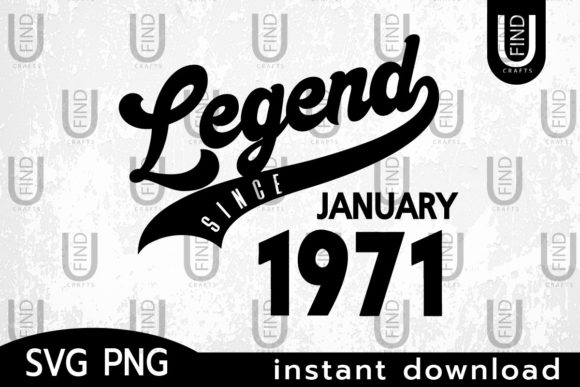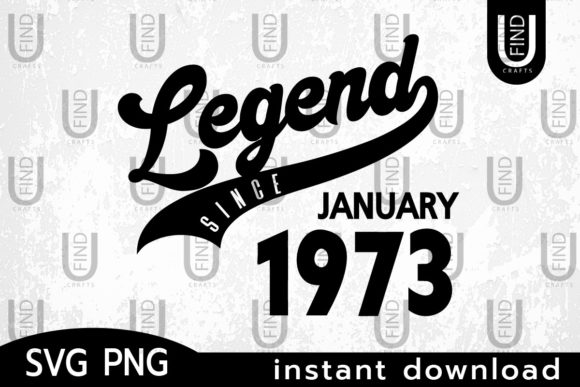
Vintage 1973, Legend Since January 1973
I have spent years reviewing digital assets for my own embroidery studio and for clients who run busy small businesses. When I first pulled up the file titled Vintage 1973, Legend Since January 1973, I didn't just see a birthday greeting; I saw a mood. The retro aesthetic immediately signals nostalgia, which is a powerful tool in today's market where handmade goods often rely on emotional connection. This isn't just a generic "Happy Birthday" template; it carries a specific weight of history that makes it perfect for celebrating someone who has truly stood the test of time.
The design itself feels grounded in the classic era of graphic design. The typography likely leans into bold, slightly weathered serifs or block letters that scream "established." For an embroiderer, this visual personality translates well to thread. It suggests a design that needs room to breathe but commands attention when stitched. My initial thought was not about the pixel count, but about how this would look on a piece of fabric. Would it feel like a mass-produced factory item, or would it hold up as a premium, custom-made gift? That distinction is everything in the world of crafts and graphics.
Real-World Application: The Custom Sweatshirt Project
Let's talk about a real scenario. Imagine you are preparing a batch of merchandise for a boutique client who specializes in vintage-inspired streetwear. They need a statement piece for a customer turning 50 next month. You pull up Vintage 1973, Legend Since January 1973 to place on a heavyweight cotton sweatshirt. This is where the design shines.
Sweatshirts provide a stable canvas with enough texture to hide minor imperfections, but they also require designs that can handle movement without distorting. Because the text is centered and likely features a strong layout, it sits beautifully on the chest of a hoodie or even across the back of a jacket. The phrase "Legend Since January 1973" acts as a badge of honor. When a customer sees this embroidered on their garment, it doesn't just say "I am old"; it says "I have survived and thrived." That is a massive value add for a personalized gift.
However, I wouldn't rush straight to the final product. Before stitching on a $40 sweatshirt, I always test the design on scrap fabric. The retro style might involve some intricate curves or thin lines in the lettering. If the font has sharp angles or very fine details, those areas can be tricky on stretchy knit fabrics. A quick test run helps me determine if I need to adjust the hoop tension or switch to a higher density stabilizer to prevent puckering.
Navigating Fabric Challenges and Stitch Density
Not every project is a heavy cotton sweatshirt. What happens if you want to use Vintage 1973, Legend Since January 1973 on a baby onesie or a delicate linen tea towel? This is where practical judgment comes into play. Baby clothes require soft stitches and low density so the fabric remains comfortable against sensitive skin. If the design file includes a lot of fill stitch or dense satin columns, it might be too stiff for a newborn outfit unless you scale it down significantly.
On the other end of the spectrum, consider dark fabrics. Vintage designs often rely on contrast. If you are using white or light-colored thread on a black t-shirt, the retro vibe might get lost if the thread coverage isn't sufficient. Conversely, dark thread on a light background offers high visibility. I recommend checking the thread color palette before you start. Sometimes, a simple change from standard polyester to a metallic or variegated thread can elevate the vintage look, making the "1973" element pop with a sense of luxury.
You must also be careful with small hoop sizes. If you are planning to create a mini patch or a tiny detail on a cap brim, you need to inspect the smallest details of the text. Tiny serifs or decorative elements can sometimes disappear when stitched at a reduced size, especially if the machine struggles with tight turns. If the design looks cluttered in your software preview, it will definitely look messy on the finished product. In these cases, it is better to simplify the placement or choose a larger surface area like a tote bag design.
Commercial Viability for Etsy Sellers and Makers
For the Etsy sellers and craft business owners reading this, the question is always about scalability and brand consistency. Vintage 1973, Legend Since January 1973 fits perfectly into the current trend of "anniversary" and "milestone" gifts. People love buying items that celebrate longevity. Whether you are selling finished embroidered patches, aprons for kitchen enthusiasts, or pillow covers for home decor, this design adds a layer of storytelling that generic clipart cannot match.
When creating printable mockups for your shop listings, ensure the lighting highlights the texture of the embroidery. A flat image of the SVG file does not sell the same way as a photo of the actual stitch work. Show the thread catching the light on the satin stitch areas. This transparency builds trust with buyers who want to know exactly what they are getting. It shows you understand the medium and care about the quality of the finished product.
Be mindful of the licensing terms provided with the download. Just because you bought the file doesn't automatically mean you can resell the digital asset itself. However, most creators allow you to sell physical items made with the design. Always double-check the commercial usage rights before listing your handmade products on platforms like Etsy or at craft fairs. Using the design correctly protects your small shop from legal issues and ensures you are building a sustainable business.
Final Thoughts on Execution
In conclusion, Vintage 1973, Legend Since January 1973 is more than just a digital file; it is a versatile tool for any designer looking to add character to their projects. Its strength lies in its ability to evoke a specific era while remaining modern enough for contemporary fashion and home decor. Whether you are stitching a holiday gift for a family member or producing a line of boutique apparel, this design offers a solid foundation.
Remember to always test your setup. Check your stabilizer, verify your thread colors, and inspect the stitch density. By taking these extra steps, you ensure that the final product reflects the professionalism and care that your customers expect. When done right, an embroidered piece tells a story, and this particular design is ready to tell one of legend.