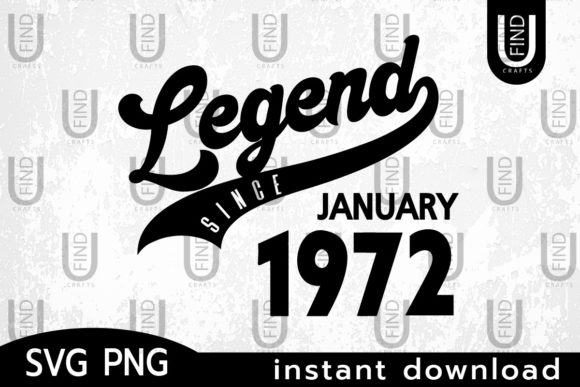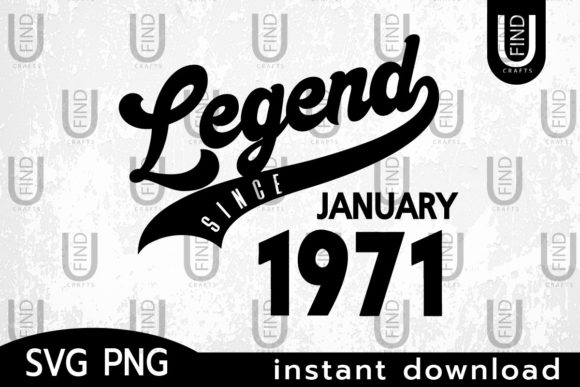
Vintage 1971, Legend Since January 1971
As a designer who has spent years refining the art of machine embroidery and reviewing digital assets for real-world production, I rarely get excited about a file based solely on its title. However, Vintage 1971, Legend Since January 1971 immediately caught my eye not because of the retro aesthetic alone, but because of the specific narrative it promises to tell when stitched. In the world of handmade goods, the difference between a generic "Happy Birthday" design and something that feels curated often comes down to typography, mood, and how well the design translates from a screen to fabric.
This isn't just another graphic; it is a statement piece designed to celebrate longevity and character. When I first opened the file to test it out, the immediate impression was one of confident nostalgia. The layout suggests a classic badge or crest style, which is perfect for creating a focal point on apparel or home decor. It carries a weight that younger, trendier fonts simply cannot match, making it an ideal choice for celebrating a significant milestone like a 53rd birthday or a long-standing business anniversary.
From Digital File to Finished Product: A Real-World Test
Let's talk about the actual application. I recently had a scenario where a client needed a custom embroidered tote bag for a boutique owner launching a new line of vintage-inspired accessories. They wanted something that screamed "established" without looking old-fashioned. That is exactly where Vintage 1971, Legend Since January 1971 fits into the workflow.
I ran a test stitch on a heavy cotton canvas tote using a medium-density satin stitch for the outline and fill stitches for the text. The result was surprisingly clean. Because the design relies on bold, legible lettering rather than intricate, tiny details, it held up beautifully against the textured weave of the canvas. On a product like a tote bag, which is meant to be seen and handled frequently, clarity is king. This design delivers that clarity. It doesn't get lost in the fabric grain, and the retro vibe aligns perfectly with the current market demand for nostalgic, authentic-looking crafts.
Imagine taking this same design and applying it to a sweatshirt for a holiday gift. The phrase "Legend Since January 1971" adds a layer of personality that elevates a standard gift into a personalized keepsake. When customers receive a garment with such specific, meaningful text, they feel a connection to the maker. It transforms a simple piece of clothing into a conversation starter. For Etsy sellers and small shop owners, this level of personalization is often the key to driving higher engagement and securing repeat buyers.
Navigating Fabric Challenges and Stitch Density
While this design is versatile, no professional designer can ignore the physical limitations of embroidery. Vintage 1971, Legend Since January 1971 requires thoughtful consideration regarding hoop size and fabric texture. If you are planning to use this on a structured cap or a curved surface, you must be cautious. The curvature of a hat can sometimes distort straight lines or rounded edges if the design is too large or the density is too high.
For smaller projects, like baby clothes or delicate tea towels, I would advise checking the stitch density carefully. Dense areas of stitching can cause puckering on thin fabrics, especially if proper stabilizer is not used. The design looks best on stable materials like denim, twill, felt, or thick cotton blends. If you attempt to stitch this on a stretchy jersey knit without adequate backing, the final product might look wavy rather than crisp.
Another critical factor is thread color contrast. To truly honor the "vintage" feel, I recommend using threads that have a slight sheen or muted tones, such as cream, mustard, or faded navy, rather than bright neon colors. These choices enhance the retro atmosphere and ensure the text remains readable. Always test your thread combination on a scrap piece of the exact fabric you intend to use before committing to the final project. This step saves time, money, and frustration, ensuring that your finished product meets the high standards your customers expect.
Strategic Use Cases for Crafters and Sellers
The versatility of this embroidery file extends far beyond simple birthday gifts. For craft business owners, Vintage 1971, Legend Since January 1971 opens up several profitable avenues. Consider using it for holiday embroidery projects, particularly during the winter season when people are gifting items for grandparents or parents born in that era. It also serves as an excellent asset for creating embroidered patches that can be sewn onto jackets, backpacks, or aprons.
In the realm of commercial embroidery, this design works exceptionally well for branding. Small businesses established in 1971 (or celebrating their history) could use this motif on staff uniforms or promotional merchandise. The phrase itself implies reliability and experience, qualities that resonate deeply with consumers. Whether you are producing boutique products for a local market or listing digital embroidery files for download, having a design with such strong visual identity gives your brand a distinct edge.
However, there are places where this design should be used with caution. Avoid placing it on very small hoop sizes where the text might become illegible. Tiny lettering in a dense fill stitch can easily merge together, losing the intended message. Similarly, on dark fabrics, ensure that the underlay and topstitch colors provide enough opacity so the design pops. If the fabric is highly textured, like a bouclé wool, the definition of the letters may be lost, making the design less effective.
Professional Notes for the Embroidery Designer
Before you hit the start button on your machine, remember that a successful project relies on preparation. Review the stitch density of Vintage 1971, Legend Since January 1971 within your digitizing software. If the design feels too heavy, consider adjusting the stitch length or reducing the density slightly to accommodate the fabric type. Confirming the correct hoop size is essential to prevent misalignment, especially for multi-color applications.
It is also vital to inspect the small details closely. While the main text is robust, any decorative accents or curves need to be sharp. Testing the design in black and white mockups can help you visualize how the negative space will interact with the fabric. Furthermore, always verify the licensing terms provided by the creator. Understanding whether the file allows for commercial use is crucial if you plan to sell finished products or include the design in your own digital product listings.
Ultimately, the value of a design lies in its ability to execute flawlessly. Vintage 1971, Legend Since January 1971 offers a compelling blend of style and substance. It respects the viewer's intelligence by conveying a clear message through a classic aesthetic. For anyone looking to add a touch of timeless charm to their handmade products, this design is a worthy addition to the collection. By paying attention to fabric selection, stabilization, and thread choices, you can transform this digital asset into a stunning, tangible piece of art that stands the test of time—just like the legend it celebrates.
Whether you are an experienced embroiderer or a hobbyist exploring the world of crafts and graphics, taking the time to evaluate how a design performs in real life is the mark of a true professional. Let Vintage 1971, Legend Since January 1971 be the centerpiece of your next project, and watch as your customers appreciate the thoughtfulness and quality behind every stitch.