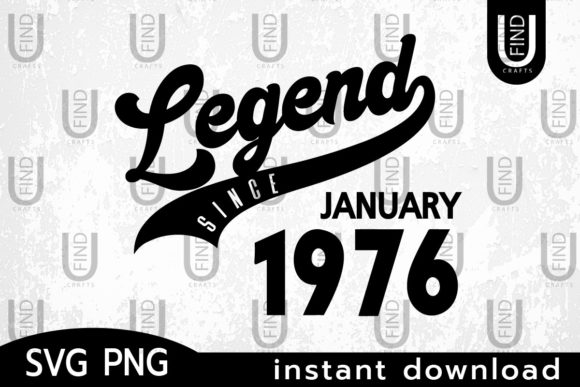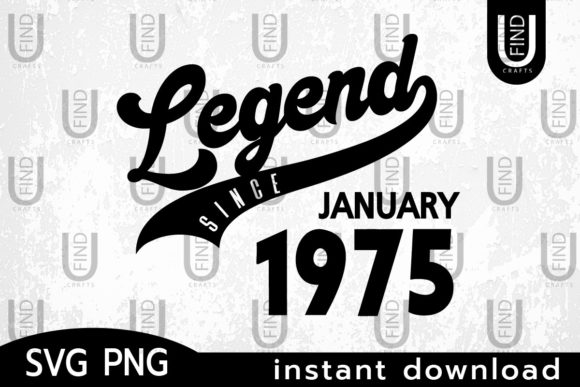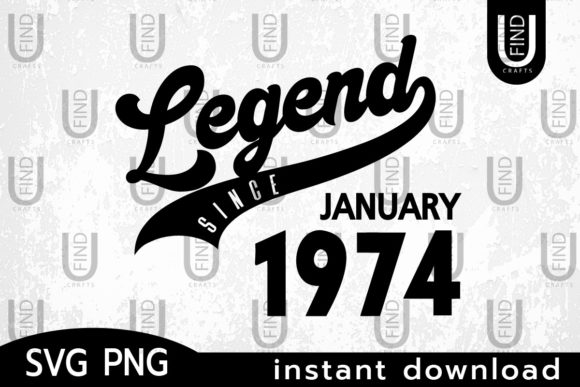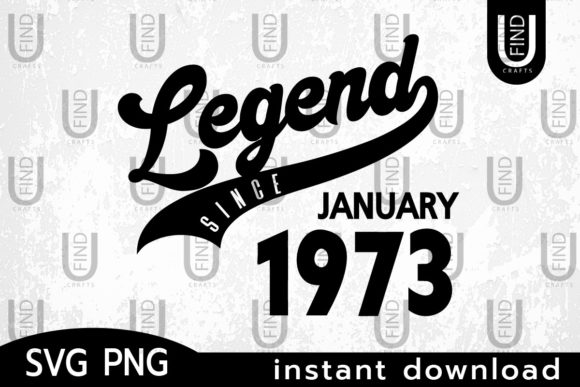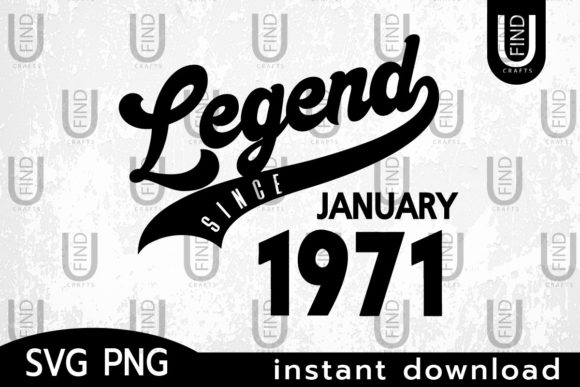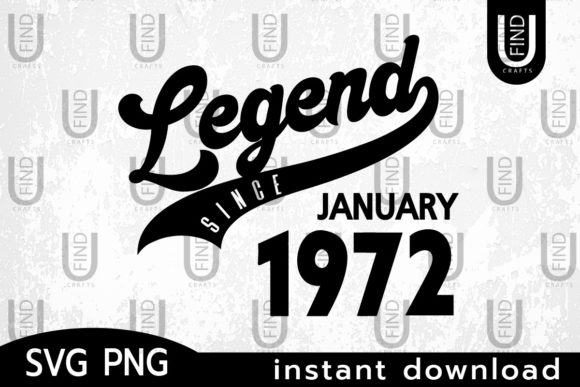
Vintage 1972, Legend Since January 1972
As a designer who spends hours evaluating embroidery files for both personal passion projects and client commissions, I approach every new download with a mix of excitement and skepticism. The market is flooded with retro graphics, but finding one that truly translates well from a screen to a needle is rare. Recently, I pulled the Vintage 1972, Legend Since January 1972 design off my desk to see if it had the grit and clarity needed for real-world application. This isn't just another digital asset; it is a statement piece that demands careful consideration before hitting the hoop.
The First Impression: Mood and Visual Personality
When you first open the file for Vintage 1972, Legend Since January 1972, the immediate feeling is one of established confidence. The typography leans heavily into a mid-century aesthetic, evoking the feeling of a classic diner sign or a worn-out concert poster from the early seventies. Unlike modern, overly polished vector art, this design feels lived-in. It carries a weight that suggests longevity, which is exactly what makes it compelling for a birthday gift or a brand identity piece.
The layout is balanced, with the phrase "Legend Since January 1972" arranged in a way that guides the eye naturally across the fabric. There is no clutter. For an embroidery designer, simplicity is often the hardest part of execution because there is nowhere to hide mistakes. However, here, the clean lines promise a high-quality finish. The retro vibe creates an instant emotional connection, making it perfect for celebrating a milestone birthday or adding a touch of nostalgia to a custom apparel line.
Real-World Application: From Screen to Stitch
I decided to put this design to the test by creating a series of mockups and actual samples. My goal was to see how Vintage 1972, Legend Since January 1972 would perform on different surfaces, ranging from a sturdy canvas tote bag to a soft baby onesie. The versatility of this embroidery file is its strongest selling point.
On a heavyweight cotton canvas tote bag, the design stood out beautifully. The contrast between the thread and the natural fabric allowed the retro curves of the letters to pop without looking lost. It felt like a boutique item you might find in a curated shop in Brooklyn or Portland. The text held up well against the rough texture of the canvas, proving that the stitch density is appropriate for medium-to-heavy fabrics.
However, the true test came when I moved to a sweatshirt. Embroidery on knit fabrics requires a delicate balance of tension and stabilizer usage. With Vintage 1972, Legend Since January 1972, the design remained crisp, provided the correct tear-away stabilizer was used underneath. The "Legend" aspect of the text works particularly well on sweatshirts, turning a simple garment into a personalized statement piece. I can easily envision a small business owner using this for holiday merchandise or as a unique graduation gift.
For those looking to sell handmade products, this design offers a significant advantage. It has a timeless quality that appeals to a wide demographic. Whether you are an Etsy seller specializing in vintage-inspired goods or a craft fair vendor offering custom hats, this file fits seamlessly into a collection of design assets. It elevates the perceived value of the finished product because the design itself looks professional and intentional.
Where to Exercise Caution
While the design is robust, it is not without its challenges. If you plan to use Vintage 1972, Legend Since January 1972 on a curved surface like a baseball cap, you need to be mindful of the lettering size. Small details can get lost or distorted when stitched onto a tight curve. I recommend testing the design on a scrap piece of fabric shaped like a cap brim before committing to a final customer order.
Additionally, thin or stretchy fabrics require extra attention. The density of the fill stitches in this retro style could potentially pucker lightweight materials if the stabilizer is not applied correctly. Dark fabrics present another variable; while the design looks great on light backgrounds, ensure your thread colors have enough contrast to maintain legibility. If you are working with dark denim or black polyester, a white or cream underlay might be necessary to prevent the threads from sinking into the weave.
Technical Considerations for the Professional Designer
Before running this file through your machine, there are several practical steps every designer should take. First, always test the design on scrap fabric. This is non-negotiable. You need to check the stitch density and ensure the machine is pulling the threads taut without causing puckering. Review the hoop size requirements relative to your project dimensions. A design that fits perfectly on a square patch might look cramped on a rectangular apron front.
Thread color selection is crucial for capturing the intended mood. For a true vintage look, consider using muted tones like mustard yellow, faded teal, or burnt orange rather than bright, neon synthetics. These colors enhance the retro feel of Vintage 1972, Legend Since January 1972 and make the embroidery appear more authentic. Conversely, if you want a bold, modern statement, high-contrast colors work well, but they shift the design's personality entirely.
Stabilizer choice cannot be overstated. For this specific design, which likely utilizes a mix of satin and fill stitches, a cut-away stabilizer is often the safest bet for durability, especially on items that will undergo frequent washing, like aprons or kitchen towels. Tear-away stabilizers may suffice for temporary projects, but for long-lasting commercial embroidery, stability is key.
Impact on Brand and Customer Trust
In the world of handmade goods, presentation is everything. Using a well-executed design like Vintage 1972, Legend Since January 1972 signals to your customers that you care about quality. It builds trust. When a buyer receives a personalized gift or a custom piece of apparel, they are looking for something that feels special and professionally made. This design delivers that sense of craftsmanship.
Furthermore, the theme of "Legend Since..." resonates deeply with people celebrating birthdays or anniversaries. It transforms a simple embroidered item into a keepsake. For a small shop owner, this means higher potential for repeat business and word-of-mouth referrals. Customers love sharing photos of their custom items, and a design with such strong visual appeal is highly shareable on social media platforms.
It is also worth noting the licensing terms before integrating this into your craft business. Ensure you understand the rights associated with the digital download. Are you allowed to sell finished products? Is there a limit on the number of units? Clarifying these points protects your reputation and ensures you are operating ethically within the Crafts and Graphics marketplace.
Final Thoughts on Practicality
Ultimately, Vintage 1972, Legend Since January 1972 is a versatile and visually striking addition to any embroidery library. It bridges the gap between nostalgic charm and modern design sensibilities. Whether you are creating a heartfelt gift for a family member or building a line of boutique merchandise, this file offers a solid foundation for success.
Just remember to respect the material limitations of your chosen fabric and to prioritize testing. By taking the time to prepare properly, you ensure that the final product lives up to the promise of the design. In a sea of generic templates, this design stands out as a genuine opportunity to create something memorable. It is a tool that, when used with skill and care, can elevate your work from a hobbyist endeavor to a professional standard.