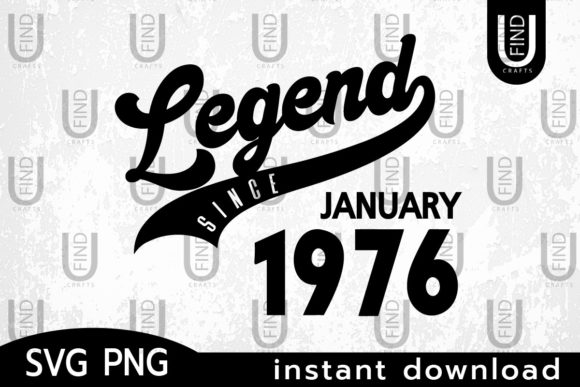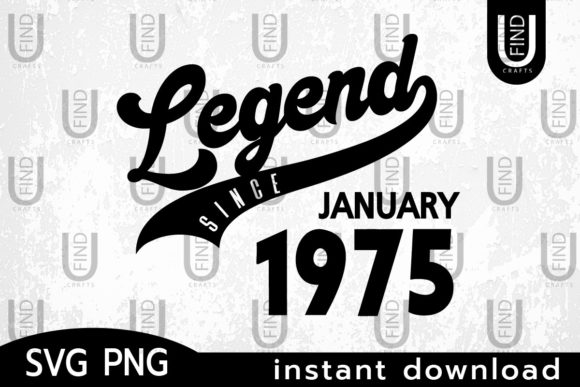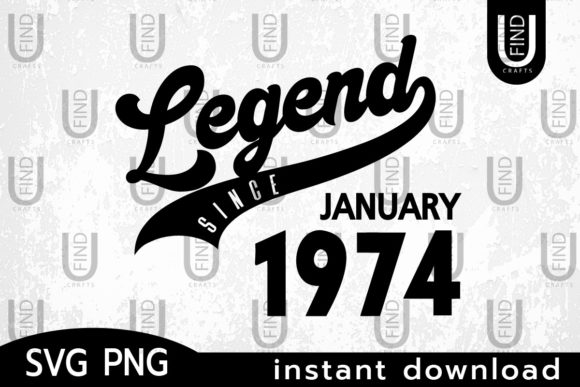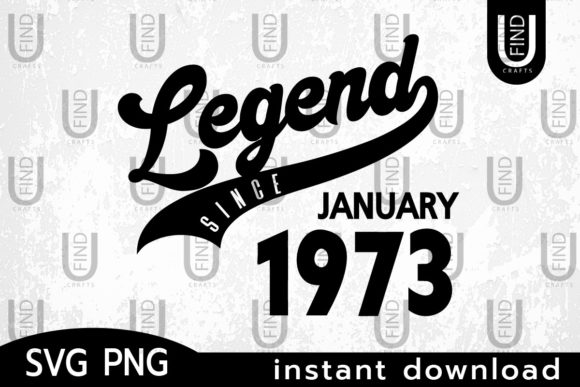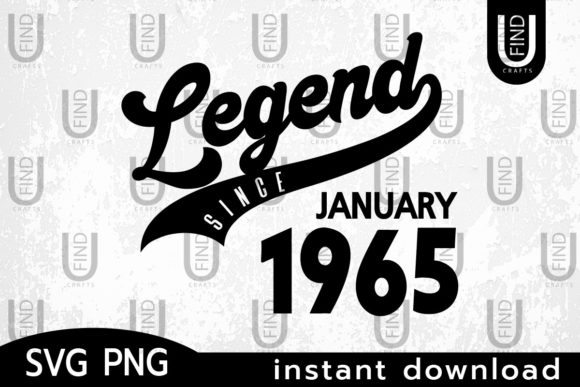
Vintage 1965, Legend Since January 1965
When I first opened the file for Vintage 1965, Legend Since January 1965, I wasn't looking at a simple graphic; I was evaluating a potential centerpiece for a client's boutique collection. As an embroidery designer who has stitched thousands of designs on everything from delicate silk to heavy canvas, my initial reaction is less about the aesthetic and more about the structural integrity of the design in a real-world setting. This piece carries a specific mood: it feels nostalgic, established, and slightly rebellious in its "legend" declaration. It immediately suggests a project that needs to feel authentic rather than mass-produced.
The typography in Vintage 1965, Legend Since January 1965 is bold and retro, which makes it an excellent candidate for custom apparel like sweatshirts or tote bags. However, before I would commit this to a high-value item like a baby onesie or a wedding gift, I need to consider how those letters will behave under the needle. The visual weight of the text implies a strong fill stitch, but the curves of the vintage font require careful attention to thread tension. If the density is too high, the fabric might pucker; if it is too low, the texture will look flat and cheap. For a small business owner looking to create handmade products, this design offers a distinct personality that can elevate a standard product into something with a story.
Real-World Application: From Digital File to Finished Product
Let's imagine a practical scenario. I am preparing a custom embroidered patch for a local craft fair booth or perhaps adding a signature touch to a line of kitchen towels for a holiday gift set. The phrase Vintage 1965, Legend Since January 1965 fits perfectly here. It works as a statement piece on a sturdy cotton apron or a denim cap. When I visualize this design stitched onto a dark navy hoodie, the contrast becomes the star of the show. The retro vibe pairs beautifully with earth tones or classic white threads, creating a timeless look that appeals to both hobbyists and serious collectors.
In the context of a craft business, this design asset serves multiple purposes. It can be used as a digital download for other creators, or you can stitch it yourself to sell finished goods. The versatility is key. You could place it centrally on a pillow cover for nursery decor, or use it as a subtle accent on the cuff of a sleeve. The design's layout is balanced enough to handle various placements without overwhelming the garment. However, the success of the final product relies heavily on your choice of materials. A heavy-duty stabilizer is non-negotiable when working with this type of dense lettering, especially on stretchy fabrics where movement could distort the stitching over time.
Navigating Fabric and Hoop Constraints
Not every surface is suitable for Vintage 1965, Legend Since January 1965. While it looks great on a flat tote bag, applying it to a curved surface like a baseball cap requires significant skill. The curvature of the cap changes the angle of the stitches, and if the design includes tight corners or small details, they may not register clearly once the machine finishes. I would advise testing this design on scrap fabric first, specifically checking how the satin stitch holds up on thin fabrics or textured weaves. On a rough linen or a loose-knit sweater, the fine lines of the vintage style might get lost in the weave, reducing the professional finish of the item.
Dense stitch areas are another consideration. If the design file contains large blocks of fill stitch, the resulting fabric stiffness can be uncomfortable for items worn close to the skin, such as baby clothes. For a personalized gift intended for an infant, I would recommend scaling the design down or ensuring the stitch density is reduced to maintain softness. Similarly, if you plan to wash these items frequently, the longevity of the embroidery depends on proper stabilization and thread quality. A poorly stabilized design might unravel after a few cycles, damaging the reputation of your handmade brand.
Visual Appeal and Customer Perception
From a marketing perspective, Vintage 1965, Legend Since January 1965 does more than just decorate; it communicates value. Customers buying handmade products often look for uniqueness and craftsmanship. A clean, well-executed embroidery of this design signals that care was taken during production. It builds trust because the visual clarity suggests a high-quality process. When displayed in printable mockups for Etsy listings or social media, the design stands out against plain backgrounds, drawing the eye and encouraging engagement.
The retro theme resonates with a demographic that appreciates history and authenticity. Whether you are selling commercial embroidery services or personalizing gifts for birthdays and anniversaries, this design taps into a sense of pride and legacy. The phrase itself acts as a conversation starter, making the finished product memorable. However, to maximize this effect, the thread colors must be chosen with precision. High contrast is essential for legibility, but clashing colors can ruin the vintage aesthetic. Always review the design in black and white mockups to ensure the shapes remain distinct regardless of the color palette used.
Essential Designer Notes for Success
If you are planning to use this embroidery file in your workflow, there are several technical steps you must take to ensure a professional result. First, confirm the licensing terms. Some digital downloads allow for personal use only, while others permit commercial sales of finished items. Understanding these restrictions is vital for any entrepreneur protecting their business interests.
- Test on Scrap: Always run a test stitch on a piece of the same fabric you intend to use. Check for puckering, thread breaks, or missed stitches.
- Hoop Size Matters: Ensure your hoop accommodates the design without cutting off edges. A cramped design often leads to distortion.
- Stabilizer Selection: Use the appropriate stabilizer for your fabric weight. Heavy cut-away stabilizers are usually best for dense designs on woven fabrics.
- Thread Contrast: Test different thread colors to see how they interact with the fabric texture. Light threads on dark fabric should pop, while dark threads on light fabric should appear solid.
- Detail Inspection: Zoom in on the digital file to check for tiny details that might not stitch well. Tiny letters or sharp points often require simplification for embroidery.
Ultimately, Vintage 1965, Legend Since January 1965 is a versatile tool for creative entrepreneurs. It bridges the gap between digital art and tactile craftsmanship. Whether you are creating a one-of-a-kind gift or stocking shelves for a boutique, this design provides a strong foundation. By paying attention to the technical nuances of machine embroidery, you can transform this digital graphic into a tangible asset that delights customers and strengthens your brand identity. Remember, the difference between a good product and a great one often lies in the preparation and execution, so take the time to refine your process before launching your next collection.