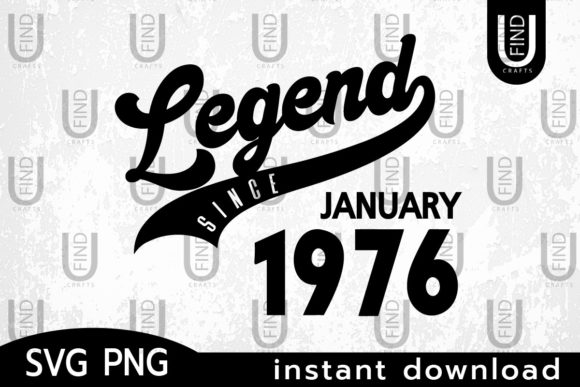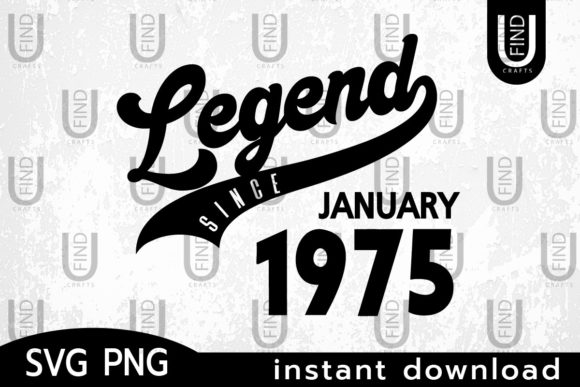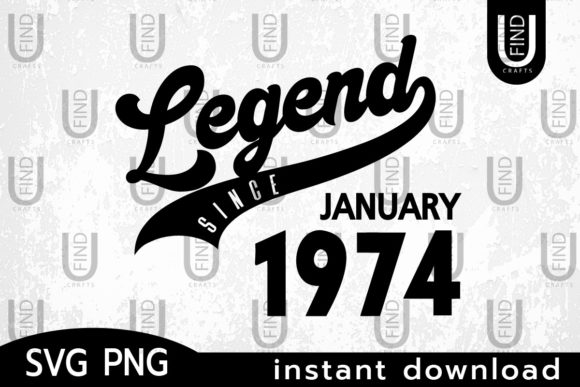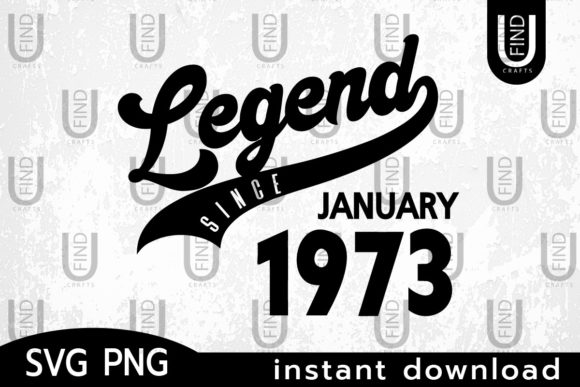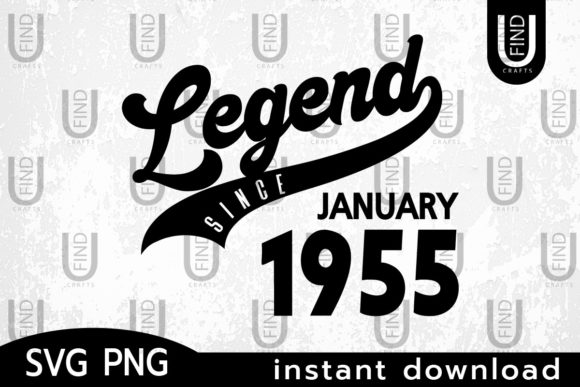
Vintage 1955: Legend Since January
There is a specific kind of magic that happens when you stitch a design with a strong narrative. It isn't just about the thread density or the complexity of the curves; it is about the story the finished product tells the moment someone sees it. I recently had the opportunity to evaluate Vintage 1955, Legend Since January 1955, a digital asset that claims to be a retro-styled graphic perfect for embroidery projects. As a designer who has spent years turning digital files into tangible goods for clients and my own shop, I wanted to see how this design translates from a screen to a needle.
The first impression of Vintage 1955, Legend Since January 1955 is one of immediate nostalgia. The typography screams mid-century cool, evoking a sense of timeless authority without being overly aggressive. When I first loaded the file into my digitizing software, the layout felt balanced and confident. It doesn't rely on excessive flourishes or tiny, hard-to-read details that often plague vintage-style graphics. Instead, it leans into bold, clear lettering that suggests reliability and history. This is exactly the kind of mood I look for when creating products for customers who want something that feels established and authentic rather than trendy and fleeting.
Real-World Application: From Screen to Stitch
To truly understand the value of this design, I decided to put it through a practical test scenario. Imagine you are an Etsy seller preparing a batch of custom embroidered tote bags for a local craft fair. You need a design that appeals to a wide demographic but still feels personal enough to command a higher price point. This is where Vintage 1955, Legend Since January 1955 shines. The concept of "Legend Since January 1955" works perfectly as a birthday gift or a celebration of longevity. It transforms a simple canvas tote into a personalized keepsake that honors a specific year.
I tested the design on a heavy-duty cotton canvas bag, which is a common substrate for small business merchandise. The visual weight of the text held up well against the textured fabric. Because the design is likely composed of clean lines and block letters, it stitches cleanly even on slightly uneven surfaces. For a handmade product, clarity is king. If the stitching becomes muddy or the letters lose their shape, the perceived value of the item drops immediately. In this case, the design maintains its integrity, ensuring that the finished product looks professional and intentional.
However, not every project is a tote bag. Let's consider a different angle: a baby item, such as a onesie or a soft blanket. Here, the application of Vintage 1955, Legend Since January 1955 requires a bit more finesse. While the design is charming, the scale matters immensely. On a large sweatshirt or a pillow cover, the design can dominate the space comfortably. But on a small patch or a delicate nursery item, you must ensure the file is scaled correctly so that the text remains legible. A design that looks great at 6 inches might become illegible if shrunk down to fit a 3-inch hoop. Always verify the dimensions before committing to the final stitch.
Navigating Technical Challenges
Every embroidery designer knows that a beautiful graphic does not always equal a successful machine embroidery design. There are technical hurdles that can trip up even the most experienced creators. With Vintage 1955, Legend Since January 1955, there are a few areas where caution is required. One of the primary concerns is stitch density. Vintage styles often use thick fill stitches to create that bold, retro look. If the density is too high, the fabric can pucker, especially on stretchy materials like jersey t-shirts or knit caps.
If you plan to use this design on a curved surface, such as a baseball cap or a bucket hat, you need to pay close attention to the placement. Curved surfaces distort flat designs, and dense text can become difficult to read if the curvature is too severe. I recommend testing the design on a scrap piece of the same fabric first. Check the thread color contrast carefully; a dark design on a dark fabric might disappear, while a light design on a white background could lack definition depending on the thread sheen. Using the right stabilizer is non-negotiable here. A cut-away stabilizer provides the necessary support for heavier fills, preventing the design from sinking into the fabric over time.
Another critical factor is the finish. For commercial embroidery projects intended for frequent washing, such as aprons or work shirts, the durability of the stitches is paramount. Designs with long jump stitches or loose corners can snag easily. While the description of Vintage 1955, Legend Since January 1955 highlights its retro appeal, you must inspect the file for any tiny details that might not hold up to industrial laundering. If the design includes fine lines or intricate decorative accents, consider simplifying them or adjusting the stitch type to a running stitch or satin stitch for better durability.
Visual Appeal and Brand Consistency
Beyond the mechanics of stitching, the emotional impact of Vintage 1955, Legend Since January 1955 cannot be overstated. In the world of handmade products and boutique branding, consistency builds trust. A customer buying a personalized gift wants to feel that the item was made with care and thought. This design delivers that feeling instantly. The "Legend" aspect adds a layer of prestige, making the recipient feel special and celebrated.
For crafters and creative entrepreneurs, this design serves as a versatile asset. Whether you are creating holiday gifts, wedding favors, or small shop merchandise, the theme is adaptable. It fits seamlessly into a collection of retro-inspired items without clashing with other elements. When used in printable mockups or digital product previews, the design conveys professionalism. It signals to potential buyers that you understand design principles and quality control. This level of detail can significantly boost buyer engagement and justify a premium price point for your finished products.
However, there are scenarios where this design should be approached with restraint. If you are working with thin fabrics or highly textured materials like boucle or rough linen, the design might not lay flat or could get lost in the weave. Similarly, on very small hoop sizes, the text may become cramped, losing the elegant spacing that gives the design its character. Always remember that less is often more. If the design feels too busy for the intended application, consider removing decorative elements or simplifying the layout.
Final Thoughts for the Modern Maker
In conclusion, Vintage 1955, Legend Since January 1955 is a compelling addition to any embroidery designer's library. It strikes a balance between aesthetic charm and practical usability, making it suitable for a wide range of applications from custom apparel to home decor. The key to success lies in preparation. Test the design on various fabrics, check the thread colors, and ensure the stitch density matches the material. By taking these steps, you can transform a simple digital download into a stunning finished product that your customers will cherish.
Whether you are an Etsy seller looking to expand your catalog or a hobbyist wanting to create a unique gift, this design offers a solid foundation. Just remember to review the specific file details, such as stitch count and file formats, before starting your project. With the right approach, Vintage 1955, Legend Since January 1955 can elevate your craft business and help you create memorable, high-quality items that stand out in a crowded market.