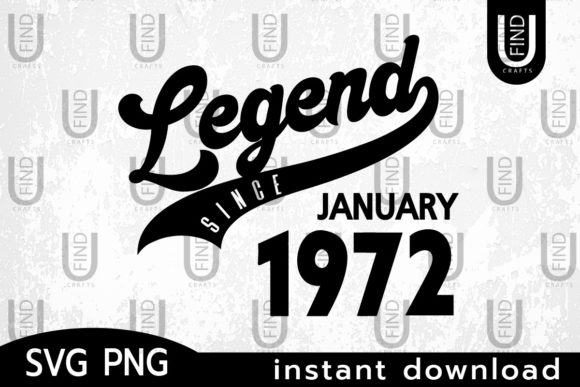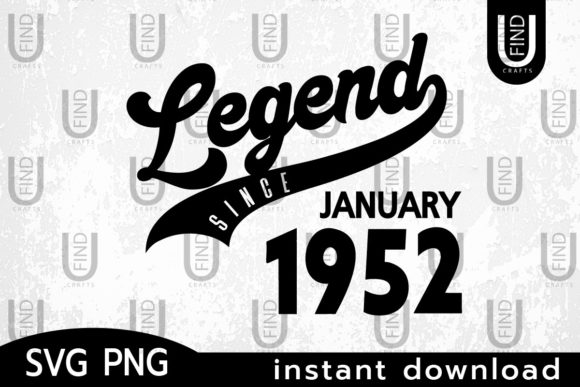
Vintage 1952, Legend Since January 1952
As someone who has spent years stitching custom apparel for boutique clients and testing digital assets for commercial use, I approach every new file with a mix of excitement and skepticism. The market is flooded with generic birthday templates, but Vintage 1952, Legend Since January 1952 caught my eye immediately. It isn't just another retro graphic; it feels like a specific era captured in vector lines. When I first opened the files to see how this design would translate from a screen to a real-world embroidery project, I knew it had potential for high-end handmade products.
The visual personality of this piece is distinctively nostalgic without being cluttered. The typography carries that mid-century weight that screams authenticity. For an embroidery designer, the layout is the first hurdle. Does the text curve naturally? Are the letter spacing tight enough to look crisp or loose enough to avoid thread breaks? In this case, the spacing feels balanced, allowing the "Legend" aspect to breathe while keeping the date as the anchor. This balance is crucial when you are planning to turn this into a finished product for a customer's baby shower or a milestone birthday celebration.
From Digital File to Finished Product: A Real-World Test
Let me walk you through a scenario where I decided to test Vintage 1952, Legend Since January 1952 on a real garment. I was preparing a custom gift for a client celebrating their 72nd birthday. She wanted something subtle yet meaningful, not a loud, oversized logo. I chose a heavy cotton twill tote bag for her, a classic item that benefits from structured embroidery. The goal was to create a small business-style merchandise item that felt professional enough to be sold at a craft fair.
I loaded the design into my digitizing software to check the stitch density before hitting the machine. The initial thought process was about how the satin stitches would hold up on a woven fabric. Because this design relies on clean lines rather than complex fill patterns, it translates beautifully onto canvas and denim. The "Retro svg" nature of the source file meant that the curves were smooth, which prevented any jagged edges once the machine started stitching. After running a quick test on a scrap piece of the same twill, the result was impressive. The contrast between the thread color and the dark fabric made the vintage aesthetic pop instantly.
This kind of clarity is what separates a good embroidery file from a great one. Customers don't just buy the object; they buy the story behind it. When a buyer sees Vintage 1952, Legend Since January 1952 stitched onto a leather patch or a baby onesie, they aren't just seeing a date; they are seeing a legacy. That emotional connection is vital for Etsy sellers and creative entrepreneurs looking to build a brand around personalized gifts.
Navigating Fabric Challenges and Design Limits
However, not every application is a success story, and honest review requires acknowledging where a design might struggle. While Vintage 1952, Legend Since January 1952 works wonders on sturdy materials, there are limitations you must consider before committing to a large production run. If you are planning to embroider this on a stretchy knit fabric like a standard t-shirt, you need to be careful. Without proper stabilizer, the tension of the satin stitch could cause the fabric to pucker, ruining the clean lines of the vintage font.
Small hoop sizes present another challenge. If your design includes intricate details or very fine serifs, shrinking the embroidery down to fit a tiny cap brim or a miniature patch can lead to lost definition. The letters might merge together, making the text unreadable. I strongly advise checking the actual dimensions of the design relative to your intended hoop size. For example, if you plan to use this for a kitchen towel, ensure the design isn't so wide that it forces you to split the hoop, which often results in visible misalignment.
Texture also plays a significant role. Embroidering on a heavily textured fabric like a bouclé or a thick fleece can hide the detail of the design. The raised stitches might get lost in the weave, making the "Legend" claim feel less impactful. In these cases, a lighter background fabric allows the threads to stand out more effectively. Conversely, on dark fabrics, you must select thread colors with high contrast to maintain legibility. A dark blue thread on black fabric might look elegant, but it could fail to convey the message unless the lighting is perfect.
Strategic Use Cases for Small Business Owners
For those running a craft business, the versatility of this design asset is a major selling point. It fits seamlessly into various categories within the Crafts and Graphics sectors. Imagine creating a collection of holiday gifts where each item features a different birth year. Vintage 1952, Legend Since January 1952 could be part of a series that includes 1960, 1976, and other significant dates. This strategy encourages repeat customers and increases the average order value for your shop.
The design is equally effective for nursery decor. Parents love personalized items for their children, and a vintage-style design adds a touch of sophistication that modern, cartoonish graphics lack. You could use this for embroidered pillow covers, blankets, or even wall hangings. The key here is consistency. If you are building a brand identity, using a cohesive style across all your products helps establish trust. A well-executed machine embroidery design signals professionalism and attention to detail.
When considering commercial projects, think about branded merchandise. A local coffee shop or a boutique might want to offer aprons or tote bags with a vintage flair. This design provides that retro charm without requiring a complete rebranding effort. It acts as a ready-made design asset that saves time and money. However, always remember to verify the licensing terms before selling finished items. Some digital downloads allow for commercial use, while others restrict the number of units you can produce.
Practical Tips for Flawless Execution
To ensure your final product looks as polished as the digital preview, follow these practical steps. First, always test the design on scrap fabric that matches your final material. This step reveals issues with thread tension, stabilizer choice, and fabric movement that you cannot see on a computer screen. Second, review the stitch density. If the design feels too dense, it may be prone to puckering or needle breakage. Adjusting the density slightly can make a massive difference in the durability of the finished piece.
Inspect small details closely. Sometimes, when converting from SVG to an embroidery format, tiny gaps can appear or close up entirely. Check the corners of the letters and the ends of the serifs. If you are using a running stitch for decorative accents, ensure the spacing is consistent. For larger areas, a fill stitch should lay flat and cover the fabric completely without showing gaps. Finally, compare your work in both light and dark fabric mockups. This ensures that the design remains legible regardless of the background color chosen by your customer.
In conclusion, Vintage 1952, Legend Since January 1952 is a robust tool for designers who value quality and nostalgia. It offers a unique blend of retro aesthetics and modern utility. Whether you are crafting a one-off personalized gift or scaling up production for a boutique line, this design holds its own. By understanding its strengths and respecting its limitations regarding fabric and hoop size, you can create stunning embroidery projects that resonate with buyers. It is more than just a file; it is a bridge to a timeless style that continues to captivate audiences today.