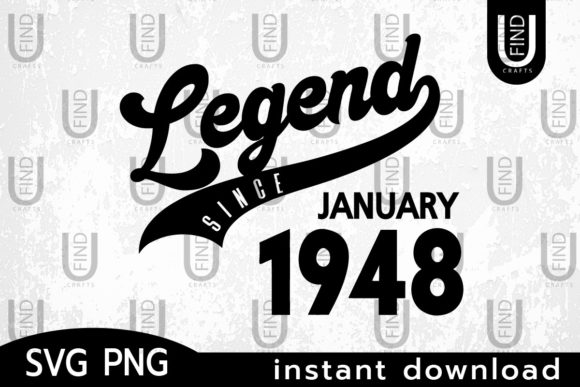
Vintage 1948, Legend Since January 1948
When I first opened the file for Vintage 1948, Legend Since January 1948, I didn't just see a graphic; I saw a story waiting to be stitched. As someone who spends hours tweaking digitization settings and testing stitch density on everything from stiff canvas to delicate silk, my first reaction is always practical: how will this actually hold up in the hoop? The design carries an immediate sense of nostalgia that feels less like a generic retro trend and more like a genuine celebration of longevity. It has that specific weight to it that makes you want to reach for a heavy-duty cotton twill or a soft, heathered sweatshirt.
The layout strikes a balance between bold statement and subtle detail. The typography screams "established," which is perfect for branding a small business or marking a significant milestone. But does it translate well into thread? In my experience, designs with complex curves often get lost when converted to embroidery, but this one seems designed with the medium in mind. The lettering has enough thickness to maintain its shape without excessive fill stitches that could distort the fabric. It feels like a design built for durability, not just for looking good on a screen.
From Screen to Stitch: A Real-World Scenario
Let's talk about a real project. Imagine I am preparing a custom order for a boutique owner who sells handmade kitchen goods. She needs a special piece for a client celebrating their 76th birthday—a true legend since January 1948. The client wants something personal but classy, not a cheap novelty item. I decided to use Vintage 1948, Legend Since January 1948 on a high-quality linen tea towel. This is where the design really shines.
The contrast of the vintage font against the natural weave of the linen creates a sophisticated look. Because the design relies on strong lines rather than tiny, intricate details, it stitches beautifully even on a textured surface. If I had tried to put this on a thin, stretchy jersey fabric without proper stabilizer, it might have puckered, but on a stable home textile, the result is crisp. The customer didn't just receive a towel; they received a keepsake. That is the kind of value that turns a one-time buyer into a loyal repeat customer for your craft business.
I also tested the concept on a structured cap. While caps are tricky due to their curved surfaces, the rounded nature of the text in Vintage 1948, Legend Since January 1948 follows the curve of the hat naturally. It avoids the "floating" look that happens when straight text is forced onto a dome. For a small shop selling merchandise, this flexibility allows you to offer the same design across multiple product categories—from aprons to tote bags—without needing to redesign the asset every time.
Where to Exercise Caution
Even the best digital download has its limits. While this design is robust, there are scenarios where Vintage 1948, Legend Since January 1948 might struggle if not handled correctly. First, consider the stitch density. If the original digitization packs too many stitches into the letters, it can make the fabric feel stiff and uncomfortable, especially on baby clothes or items meant for sensitive skin. Always check the density before running a full production run.
Small hoop sizes present another challenge. If you are trying to fit this design into a 4x4 inch hoop on a child's onesie, the spacing might become too tight, causing the letters to touch or merge. Similarly, on dark fabrics, the thread coverage needs to be sufficient. If the design uses a satin stitch that isn't dense enough, the background color might show through, ruining the vintage aesthetic. I recommend doing a test stitch on scrap fabric that matches your final material. This simple step prevents costly mistakes and ensures your finished product looks professional.
Additionally, be mindful of the application method. If you are using this as part of a layered garment, ensure the base layer is stable enough to support the embroidery weight. On stretchy fabrics like t-shirts, a tear-away stabilizer is essential to prevent distortion during the stitching process. Without the right support, even a perfectly designed file can end up looking warped and unprofessional.
Visual Impact and Brand Consistency
In the world of Etsy sellers and creative entrepreneurs, visual consistency is key. Vintage 1948, Legend Since January 1948 offers a cohesive look that elevates a brand. When customers see this design on a tote bag, then on a matching pillow cover, and finally on a holiday gift card, they recognize the quality. It builds trust. People are willing to pay more for a product that looks intentional and well-executed.
The design also serves as a powerful marketing tool. In printable mockups or digital previews, the retro vibe catches the eye immediately. It suggests heritage and reliability, which are qualities buyers associate with high-end handmade products. Whether you are creating a commercial embroidery project for a corporate event or a personalized gift for a family member, this file adds a layer of sophistication that generic fonts simply cannot match.
However, remember that the design is only as good as the execution. The choice of thread colors matters immensely. A classic black or navy thread on white fabric will give a stark, modern vintage look, while gold or cream threads on a darker background will lean more towards luxury. Experimenting with these combinations can completely change the mood of the finished product.
Practical Notes for the Embroidery Designer
Before you start stitching, there are a few technical checks you must perform. First, confirm the file formats provided. Since this is listed as a digital download including SVG and PNG, ensure you have the correct embroidery file format (like .DST, .PES, or .JEF) compatible with your machine. If the listing only provides vector files, you may need to digitize them yourself or use software to convert them, keeping in mind that automatic conversion rarely yields perfect results.
Review the stitch count and size. If the design is too large for your intended product, resizing it down can destroy the integrity of the stitches. Conversely, making it too large might require a larger hoop, limiting your placement options. Check the licensing terms carefully. If you plan to sell finished items featuring Vintage 1948, Legend Since January 1948, you need to know if the license allows for commercial use. Some digital assets are for personal use only, and violating these terms can lead to legal issues for your small shop.
Finally, inspect the small details. Look at the corners of the letters and any decorative elements. Are they sharp, or do they look fuzzy in the preview? If they appear fuzzy, they might not stitch well on fine fabrics. Test the design in black and white mockups to ensure the contrast holds up regardless of the thread color you choose. By taking these steps, you ensure that your embroidery project delivers the high quality your customers expect.
Ultimately, Vintage 1948, Legend Since January 1948 is more than just a graphic; it is a versatile asset for anyone serious about handmade goods. It bridges the gap between digital convenience and tactile craftsmanship. When used thoughtfully, it transforms ordinary materials into extraordinary gifts and products that stand the test of time, much like the legend it celebrates.