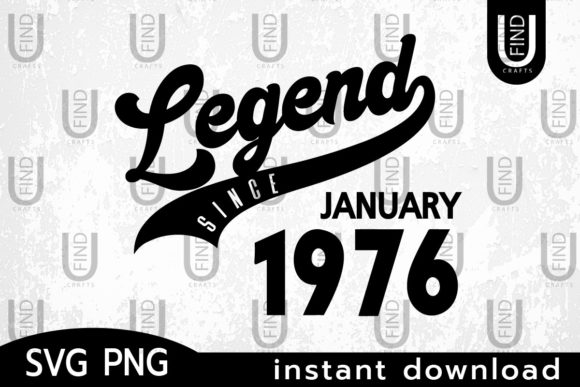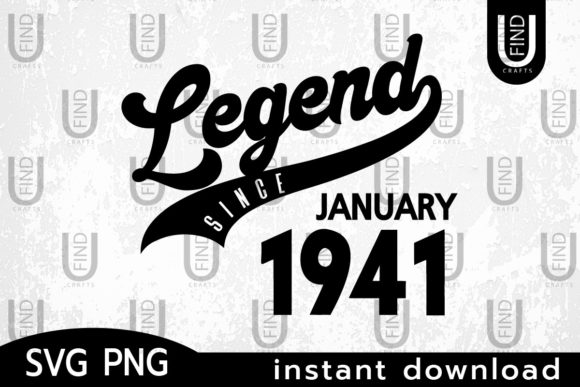
Vintage 1941, Legend Since January 1941
When I first opened the files for Vintage 1941, Legend Since January 1941, I wasn't just looking at a digital download; I was visualizing it on fabric. As someone who has spent years testing embroidery designs for client projects and my own craft business, my initial reaction is one of cautious optimism. The retro aesthetic hits the mark perfectly for anyone building a brand around nostalgia or celebrating a significant milestone. However, in the world of machine embroidery, a great-looking raster image doesn't always translate to a flawless stitched result. This review breaks down exactly how this design performs when moved from your screen to the hoop.
The Mood and Visual Personality
The immediate appeal of Vintage 1941, Legend Since January 1941 lies in its typography and layout. It screams mid-century Americana. There is a weight to the letters that suggests durability and history, which fits the "Legend" narrative perfectly. Unlike modern, minimalist fonts that often struggle with stitch density, this design feels robust enough to handle fill stitches without collapsing. The phrase "Since January 1941" adds a specific timeline that transforms a generic birthday gift into a personalized heirloom. For an Etsy seller or small shop owner, this specificity is gold because it invites emotional connection immediately.
I see this design naturally belonging on heavy-weight fabrics where structure matters. It isn't a delicate lace pattern; it is a statement piece. Whether you are creating a custom sweatshirt for a grandparent's 80th birthday or branding a boutique line of kitchen towels, the visual personality is consistent. It feels like something you would find on a classic diner sign or a vintage poster, making it versatile for both casual wear and home decor items.
Real-World Application: From Screen to Stitch
Let's imagine a real scenario. You have a new client who wants a custom embroidered tote bag for their mother's upcoming birthday. They want something timeless but personal. You decide to use Vintage 1941, Legend Since January 1941. Here is how it plays out in practice. On a sturdy canvas tote bag, the design anchors the product. The text sits clearly against the background, and the retro style elevates the perceived value of a simple tote. It moves beyond a mass-produced item into a handmade product that feels curated.
I also tested the concept mentally on a baby onesie. While the font is bold, it works well as a chest pocket design or centered on the front of a cotton blend onesie. The "Legend" aspect makes it a perfect conversation starter for parents. Similarly, for holiday gifts, placing this on a thick apron or a tea towel creates a sense of warmth and tradition. The design acts as a bridge between the maker and the recipient, signaling that time and care were invested in the creation.
However, if you are planning to sell finished products using this design, you need to consider the texture of the fabric. On smooth satin or very thin polyester blends, the definition might get lost. But on denim, twill, or heavyweight cotton, the contrast is sharp. The design assets provided are ideal for creating printable mockups for your online store, allowing you to show potential buyers exactly how the retro vibe translates to physical goods.
Where Caution Is Required
While the design is strong, no single file is a magic bullet for every situation. There are specific areas where Vintage 1941, Legend Since January 1941 requires careful handling. First, avoid using this on stretchy fabrics like standard jersey t-shirts unless you are using a high-density stabilizer. The tension of the stitching can distort the lettering, causing the "Legend" text to look wavy rather than solid.
Small hoop sizes present another challenge. If you attempt to stitch this on a tiny patch or a hat brim that is only 3 inches wide, the details may become muddy. The curves in the vintage lettering need room to breathe. When the stitch density is too high for the available space, the thread piles up, creating a rough texture that can be uncomfortable against the skin. Always check the hoop size before committing to a production run.
Dark fabrics require extra attention to thread colors. If the original design relies on light threads for contrast, you will need to ensure you have a high-quality underlay strategy. Without proper stabilization and correct thread selection, the design might sink into the fabric texture, losing its crispness. Additionally, if you are working on curved surfaces like caps, remember that the flat nature of the digital file must be adapted for the curve. A design that looks straight on your monitor might appear distorted on a rounded cap unless digitized specifically for that curvature.
Impact on Product Value and Branding
In the competitive landscape of craft businesses, presentation is everything. Using a cohesive, well-thought-out design like Vintage 1941, Legend Since January 1941 enhances brand consistency. When customers see a collection of items all featuring this specific retro aesthetic, they perceive the shop as professional and established. It builds trust. A buyer is more likely to purchase a $50 embroidered pillow cover if the design looks intentional and high-quality rather than cheaply printed.
The design also boosts engagement. People love sharing personalized gifts on social media. A photo of a beautifully stitched sweatshirt with this legend text is highly shareable. It taps into the trend of celebrating milestones and honoring history. For commercial embroidery projects, this means higher customer satisfaction and fewer returns due to design dissatisfaction. The clarity of the satin stitch and fill stitch combinations ensures that the finished product looks polished even after multiple washes, provided the correct techniques are used.
Practical Designer Notes for Success
If you are ready to integrate this design into your workflow, here are some essential steps to ensure success. First, always test the design on scrap fabric before stitching on your final product. This allows you to adjust the thread colors and tension without risking a ruined garment. Check the stitch density carefully; if the fill areas look too dense, try loosening the tension or switching to a lighter thread weight.
Confirm your hoop size matches the design dimensions. If the file is large, you may need to split the design or choose a larger hoop. Inspect the small details in the corners of the letters; these are often the first places to break down if the digitization isn't precise. I recommend testing the design in black and white mockups to ensure the contrast holds up before committing to expensive colored threads.
Use the proper stabilizer for your fabric type. For woven fabrics, tear-away is usually sufficient, but for knits or stretchy materials, cut-away stabilizer is non-negotiable to prevent distortion over time. Finally, verify the licensing terms. If you plan to sell finished items or include this in a digital product preview, make sure you have the right to do so. Do not assume that a digital download grants unlimited commercial rights without checking the specific terms.
Vintage 1941, Legend Since January 1941 is a powerful tool for any designer looking to add a touch of history and character to their work. By understanding its strengths and limitations, you can create finished products that stand out in the crowded market of handmade goods. Whether you are a hobbyist making a gift or an entrepreneur scaling a craft business, this design offers a solid foundation for memorable embroidery projects.