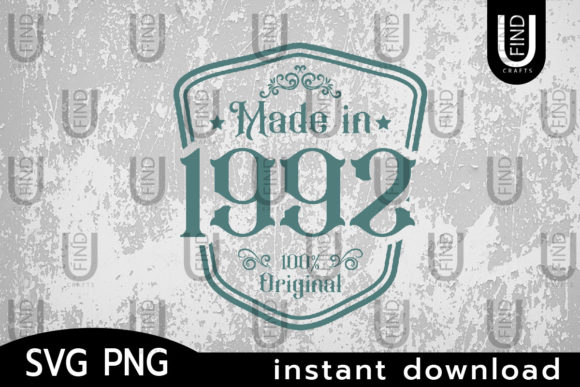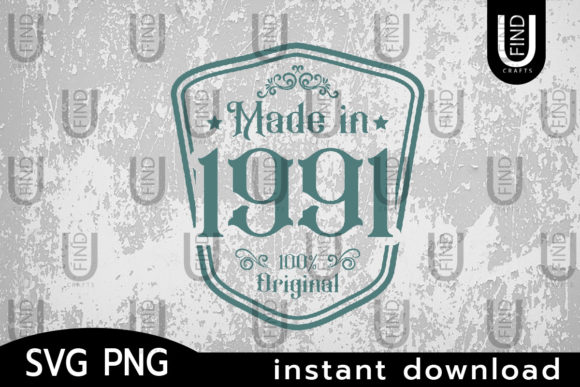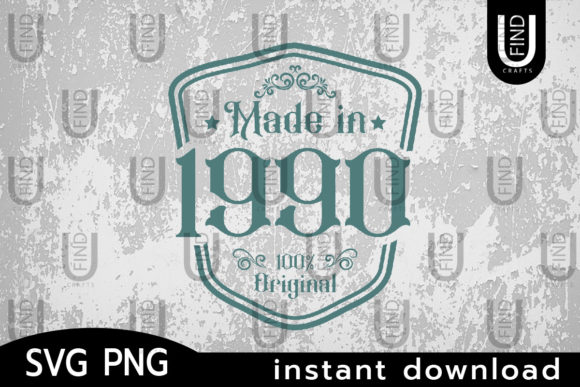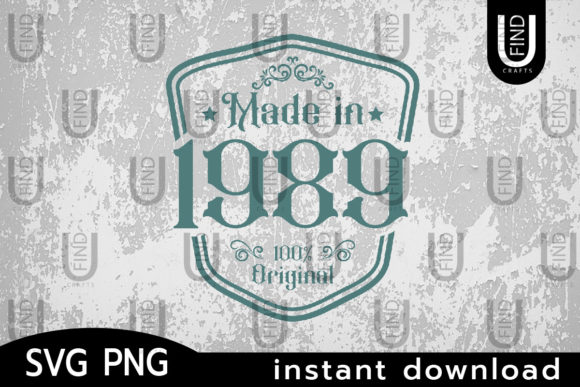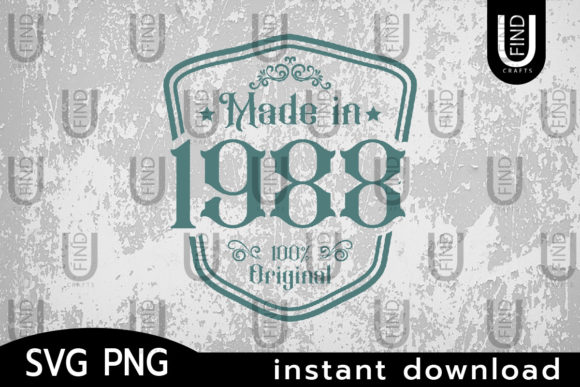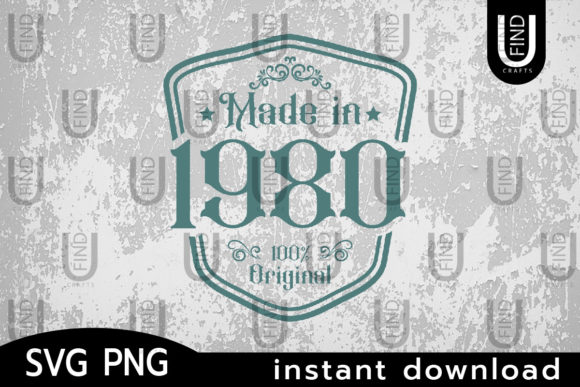
Made in 1980 Svg: A Designer's Embroidery Review
When I first opened the Made in 1980 Svg, Birthday Svg file to test it on my embroidery machine, I wasn't just looking at a graphic; I was visualizing the final stitched product. As someone who has spent years reviewing design assets for both personal hobbies and commercial craft businesses, my first impression is one of distinct nostalgia. The design captures that specific retro aesthetic from the early eighties without feeling dated or messy. It screams "vintage" but with a clean, modern vector quality that translates surprisingly well into thread.
The mood this design creates is warm, celebratory, and slightly edgy. It isn't your typical soft, floral birthday motif. Instead, it offers a bold statement piece that feels perfect for a custom sweatshirt or a high-quality tote bag. For the Crafts category, specifically within Graphics, this stands out because it balances text legibility with a graphical element that suggests age and history. It is the kind of design that makes a customer stop scrolling on Etsy and think about the story behind the item.
Real-World Application: The Custom Sweatshirt Scenario
Let's imagine a real-life scenario. You are preparing inventory for a boutique shop or fulfilling a rush order for a client turning forty. They want something unique—not a generic "Happy Birthday" script, but something that acknowledges their birth year with style. This is where the Made in 1980 Svg, Birthday Svg shines.
I ran this design through a simulation on a heavyweight cotton fleece fabric. The layout works exceptionally well on the chest area of a crewneck sweatshirt. The typography is sturdy enough to hold up against the texture of the knit fabric. When I switched to a softer, lighter weight fabric like a jersey tee, the design still held its shape, provided the stabilizer was adequate. However, the retro feel really pops when paired with a dark garment color, like navy, charcoal, or black, using contrasting white or cream thread. It gives the finished product an instant vintage flair that elevates the perceived value of the handmade item.
For a small business owner, this design is a goldmine for personalized gifts. Imagine stitching this onto a canvas apron for a baker celebrating a milestone birthday, or perhaps on a baby onesie for a "Made in 1980" themed party for a parent. The versatility allows it to fit into various niches, from holiday gifts to boutique branding. It transforms a standard commodity into a bespoke memory piece.
Stitching Performance and Fabric Considerations
In the world of machine embroidery, not every SVG converts equally well into a stitch pattern. While this is a digital download, the underlying structure matters. The Made in 1980 Svg, Birthday Svg features clean lines that suggest it will handle satin stitches very well for the lettering outlines. Satin stitch is crucial here because it provides that glossy, professional finish that defines high-end embroidery.
If you are planning to use this as an applique design, the cut-out shapes should be manageable, though you will need to check the specific layer breakdown in your software. For a direct stitch approach, the fill areas appear balanced. However, there are specific situations where you must exercise caution. If you attempt to stitch this on a curved surface like a baseball cap, the distortion can sometimes stretch the letters if the digitization isn't perfectly compensated. On textured fabrics like terry cloth or heavy denim, the density of the threads might get lost if the fabric pile is too long. In those cases, a tighter hoop size and a stronger stabilizer are non-negotiable to prevent puckering.
Thin fabrics, such as sheer organza or lightweight silk, present another challenge. Without proper backing, the tension required to pull the threads tight could cause the fabric to rip or wrinkle around the design. Similarly, stretchy fabrics require a tear-away or cut-away stabilizer to maintain the integrity of the stitch density. If the design is too dense for a light fabric, it will feel stiff and uncomfortable, which is a major red flag for customer satisfaction.
Visual Appeal and Brand Consistency
One of the most critical aspects of selling handmade goods is brand consistency. Using a design like Made in 1980 Svg, Birthday Svg signals to your buyer that you care about aesthetics and detail. It moves your product away from "craft fair cheap" and into "artisan boutique." The retro theme resonates with buyers who appreciate history and authenticity, adding an emotional layer to the purchase.
From a visual standpoint, the design creates a strong focal point. Whether it is placed on a pillow cover, a kitchen towel, or a patch, it commands attention. The contrast between the bold font and the background is key. I recommend testing the design in black and white mockups before committing to thread colors. This helps ensure that the negative space is sufficient and that the text remains readable even when the color palette changes. For example, using a gold thread on a dark background might look luxurious, but a neon thread might clash with the vintage vibe unless that is the specific aesthetic you are aiming for.
Customer trust is built on the quality of the finish. A well-executed embroidery project with clear details and no loose threads reinforces the idea that the product is durable. This design, when stitched correctly, suggests longevity. It implies that the item is meant to be kept, washed, and worn for years, which is exactly what buyers want when they invest in a personalized gift.
Practical Notes for the Embroidery Designer
Before you hit the start button on your machine, there are several technical steps you must take to ensure success. First and foremost, always test the design on scrap fabric. This is the golden rule of embroidery. You need to see how the running stitch and any decorative accents interact with your specific material. Check the thread color contrast immediately; a design that looks great on a screen might disappear on a similarly colored fabric.
You must also review the stitch density. If the design has large fill areas, ensure your machine can handle the thread load without breaking needles or jamming. Confirm the hoop size fits your intended product; a design that requires a large hoop won't work well on a small baby hat or a delicate tea towel without significant resizing, which can distort the aspect ratio. Inspect small details closely, especially the corners of the letters and any intricate curves in the "1980" graphic. Tiny details often get lost in translation if the resolution isn't high enough or if the digitization is poor.
Furthermore, consider the end-use of the product. Is this going to be frequently washed? If so, ensure the stabilizer used is washable or easily removable without damaging the fabric. Check whether the design works for both personal and commercial projects by verifying the license terms included with the digital embroidery file. Many sellers assume they can sell unlimited items, but some licenses restrict the number of finished products you can create.
Finally, compare the design on light and dark backgrounds to ensure versatility. If you plan to offer this as a printable mockup for your Etsy listings, make sure the image captures the true texture of the embroidery. Buyers need to see the dimensionality of the stitches to understand the value of the handmade product.
Ultimately, the Made in 1980 Svg, Birthday Svg is a versatile tool in the kit of any creative entrepreneur. It bridges the gap between digital convenience and tangible craftsmanship. By paying attention to fabric selection, stabilizer choice, and stitch settings, you can turn this simple digital asset into a stunning finished product that delights customers and strengthens your brand identity. Whether you are creating a single gift for a friend or building a line of commercial embroidery items, this design offers a solid foundation for success.