Made in 1990 Svg: A Designer's Review for Real Embroidery Projects
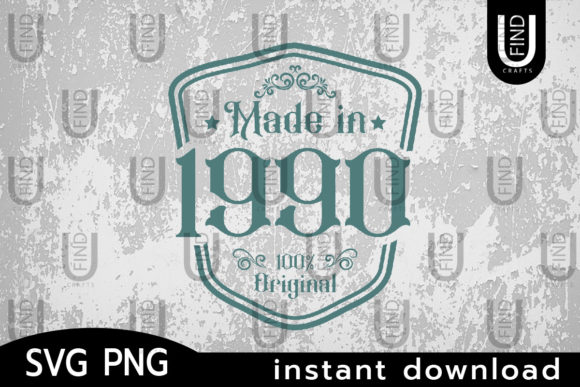
As a designer who has spent years turning digital files into tangible, stitched masterpieces, I know that the difference between a good product and a great one often lies in the details of the design itself. When I first encountered Made in 1990 Svg, Birthday Svg, my immediate reaction wasn't just about the nostalgic theme, but about how it would translate from a flat screen to a piece of fabric. This isn't just another generic clipart file; it carries a specific mood—a retro, vintage energy that feels perfect for the current wave of handmade goods. But does it hold up under the needle? Can it stand the test of time on a garment or accessory? In this review, I am putting Made in 1990 Svg, Birthday Svg through its paces as if I were preparing it for a real client project.
The First Stitch: Visual Personality and Mood
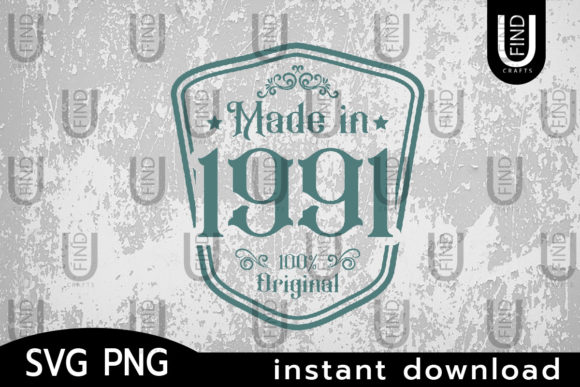
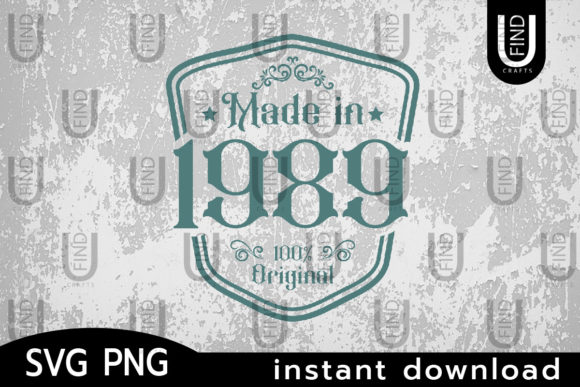
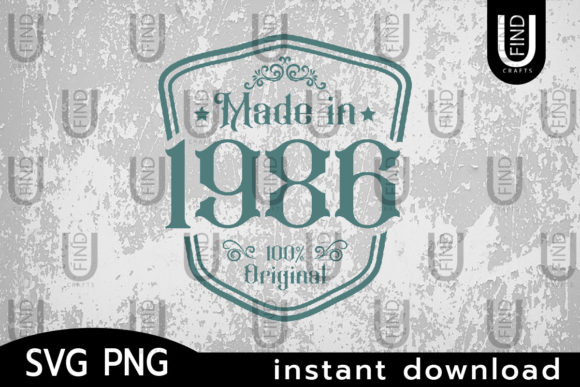
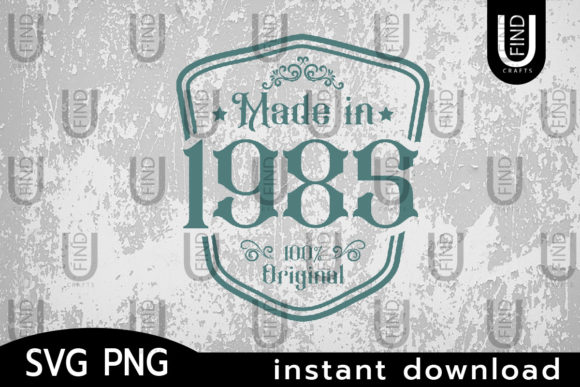
The moment you open the file, the design exudes a confident, laid-back vibe. The typography suggests a "Made in" label style, which is inherently strong and graphic. For an embroidery artist, the layout is crucial. It doesn't feel cluttered or overly ornate, which is a relief. The clean lines and bold lettering promise clarity when stitched. It creates an instant connection to the 1990s aesthetic without relying on cliché neon colors or chaotic patterns. Instead, it offers a timeless retro feel that works beautifully for milestone birthdays, especially for someone celebrating their 30th, 40th, or even 50th year.
I visualized this design immediately on a thick, heather-grey cotton sweatshirt. The contrast between the vintage font and the soft texture of the fleece felt right. It also popped in my mind as a patch for a canvas tote bag. The design personality is versatile enough to be playful yet professional, making it suitable for both a casual home craft project and a high-end boutique item. It strikes a balance that many modern designs miss: it feels authentic rather than forced.
Real-World Application: From Screen to Stitch
Let's talk about where this design truly shines. I recently considered using Made in 1990 Svg, Birthday Svg for a custom order for a local coffee shop owner who wanted a personalized gift for her staff. We settled on embroidered aprons. The design fits perfectly on the chest area of a standard chef's jacket or a heavy-duty kitchen towel. Because the file includes both SVG and PNG formats, it allows for flexibility in how we approach the digitization process. If I were to use it as an applique design, the clean edges would make cutting the fabric shapes much easier.
For small business owners and Etsy sellers, this is a goldmine. Imagine a collection of baby onesies featuring this design. The "Made in 1990" text adds a humorous touch for parents who are looking for something unique rather than the typical "Happy Birthday" script. It elevates the perceived value of the finished product. When a customer sees a well-executed, retro-style label stitched onto a high-quality cap or pillow cover, they perceive it as a premium, handcrafted item. It transforms a simple birthday gift into a keepsake with character.
The versatility extends to holiday gifts as well. While the primary theme is a birthday, the vintage aesthetic makes it a great addition to any gift-giving season. You could create a set of matching kitchen towels for a housewarming party or a decorative banner for a craft fair booth. The design assets are robust enough to support commercial embroidery projects, provided the licensing allows for it.
Where to Exercise Caution
However, every experienced designer knows that not every design works everywhere. There are specific scenarios where Made in 1990 Svg, Birthday Svg might require extra attention or simply shouldn't be used at all. For instance, if you are working with very small hoop sizes, such as those used for delicate jewelry or tiny patches on a child's sock, the detail level needs to be scrutinized. If the lettering becomes too compressed, the satin stitch might lose its crispness, leading to a muddy appearance.
Fabric choice is equally critical. On stretchy fabrics like thin jersey or loose-knit t-shirts, the density of the fill stitches can cause puckering. Without proper stabilizer, the tension of the thread pulling the fabric together will distort the design, ruining the "vintage" look with a warped reality. Similarly, on dark fabrics, the thread color contrast is paramount. If the design is digitized in white thread on black fabric, ensure the underlay is sufficient to prevent the background from showing through the stitches.
Curved surfaces like baseball caps present another challenge. While the design looks great on a flat surface, the curvature of a cap can stretch the lettering visually. You must check whether the design accounts for this distortion during the digitizing phase. Also, avoid placing this design on areas of a garment that undergo frequent washing and heavy friction, unless you are using high-density stitching techniques to ensure durability. Decorative accents on thin fabric should be avoided unless reinforced, as the weight of the embroidery could tear the material over time.
Design Notes for the Practical Maker
Before you run this file through your machine, there are practical steps every crafter should take. First and foremost, always test the design on scrap fabric. This is non-negotiable. Run a quick stitch-out to check the thread color contrast and review the stitch density. Does the fill stitch look solid, or are there gaps? Is the running stitch too loose? These small adjustments can save you from a ruined final product.
If you are creating mockups for your online store, compare the design in black and white as well as full color. Sometimes, the best way to judge the legibility of a design is to strip away the color entirely. This helps you see if the shape of the letters holds up. Also, confirm the hoop size requirements before starting. If the design is larger than your machine's hoop, you may need to split the file or adjust the placement, which can affect the overall look of the finished product.
Stabilizer selection is another key factor. For a design like Made in 1990 Svg, Birthday Svg, which likely features a mix of satin and fill stitches, a cut-away stabilizer is often the safest bet for stability, especially on garments that will be washed frequently. However, for temporary projects like tote bags, tear-away might suffice. Always inspect small details closely; sometimes, fine lines can disappear if the thread tension isn't perfect.
Final Thoughts on Value and Trust
In the world of handmade products, trust is everything. Customers buy from makers because they want quality and authenticity. Using a well-thought-out design like Made in 1990 Svg, Birthday Svg signals that you care about the details. It shows that you aren't just throwing random graphics onto a shirt; you are curating a specific aesthetic. This attention to detail builds brand consistency and increases buyer engagement.
Whether you are a hobbyist making a gift for a friend or a seasoned entrepreneur selling boutique products, this design offers a solid foundation for your next embroidery project. It captures a moment in time with a modern twist, making it relevant and appealing. Just remember to respect the technical limitations of embroidery. Test, stabilize, and stitch with confidence. When done right, Made in 1990 Svg, Birthday Svg isn't just a file; it's the start of a memorable, high-quality finished product that people will cherish.